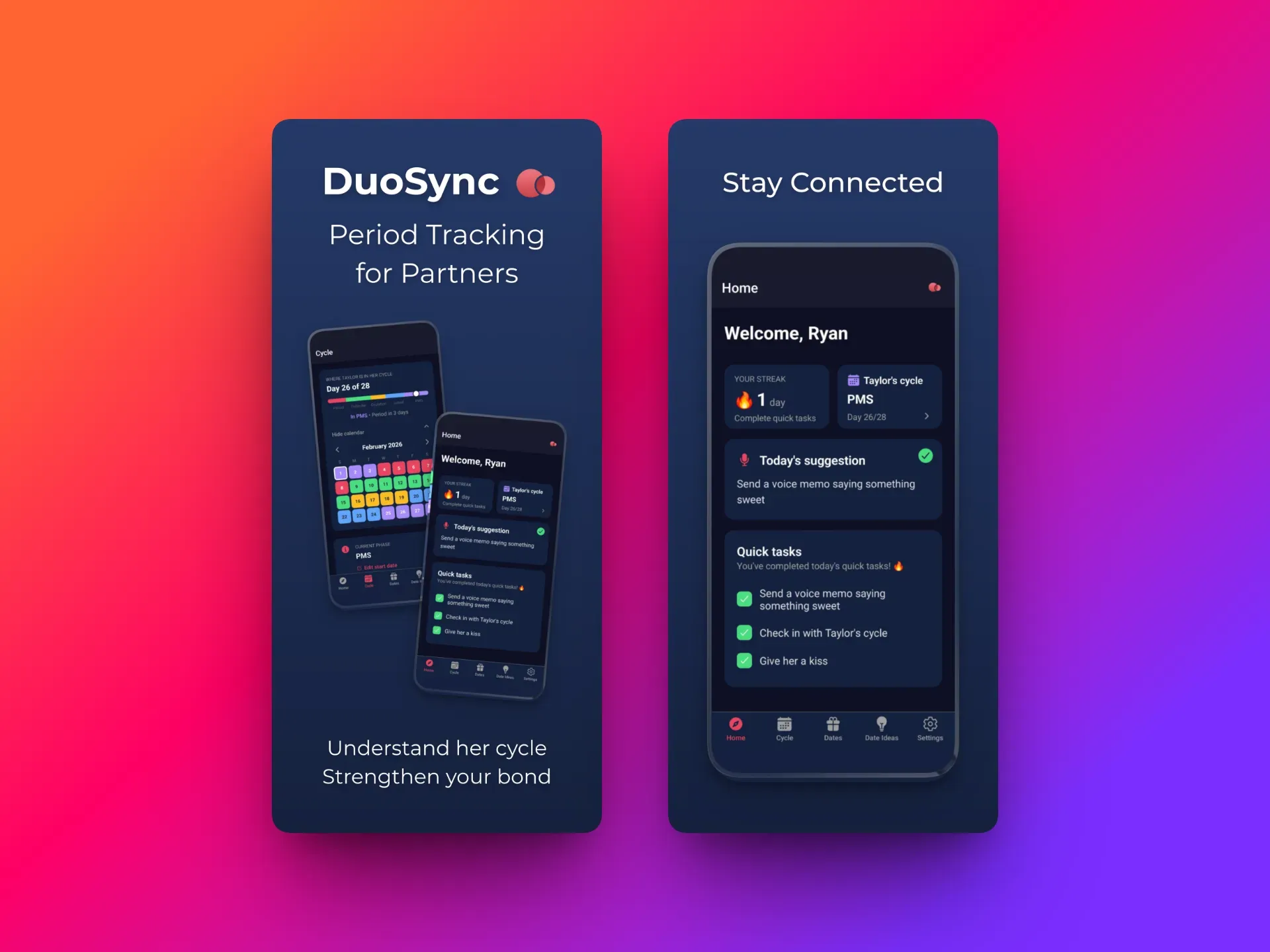
DuoSync is a powerful synchronization platform that enables seamless data integration and workflow automation between multiple applications and services for enhanced productivity.

Sponsored
CoveragePush.com
Get featured on 500+ high-authority publications. Boost your brand visibility and domain authority.

Sponsored
Testimly.com
Send one link to your customers. Get video and text reviews on autopilot.
Submit your website to get discovered by thousands of potential customers and boost your SEO.
Get ListedDuoSync is a sophisticated synchronization platform designed to address the complex challenges of data integration and workflow automation across multiple applications and services. The platform serves as a bridge between disparate systems, enabling seamless communication and data flow between various tools that businesses rely on daily. Built with modern web technologies and featuring a clean, responsive interface, DuoSync targets organizations and teams struggling with manual data transfers, inconsistent information across platforms, and inefficient workflows that hinder productivity. The platform operates within the broader automation and productivity space, offering a solution that reduces manual intervention while maintaining data integrity across connected services.
Multi-Application Integration enables connections between various software platforms through a unified interface. The platform supports numerous popular business applications, allowing users to establish bidirectional data flows between systems that typically operate in isolation. This feature eliminates the need for manual data entry and reduces errors that commonly occur when transferring information between different platforms.
Customizable Workflow Automation provides users with flexible tools to create automated processes that trigger specific actions based on predefined conditions. Users can set up rules and triggers that automatically move data between applications, send notifications, or initiate processes when certain criteria are met. This automation capability significantly reduces repetitive manual tasks and ensures consistent execution of business processes across all connected systems.
Real-Time Data Synchronization ensures that information updates propagate instantly across all connected platforms. When data changes in one application, DuoSync immediately updates the corresponding information in all other connected services, maintaining consistency and eliminating version conflicts. This real-time capability is particularly valuable for teams that rely on up-to-date information for decision-making and customer interactions.
Advanced Security Protocols implement robust protection measures for sensitive data during transmission and storage. The platform employs encryption standards, secure authentication methods, and access controls to ensure that business information remains protected throughout the synchronization process. These security features provide peace of mind for organizations handling confidential customer data, financial information, or proprietary business intelligence.
Comprehensive Analytics Dashboard offers detailed insights into synchronization activities, performance metrics, and system health. Users can monitor data flows, track synchronization success rates, identify bottlenecks, and generate reports on automation effectiveness. This visibility helps organizations optimize their integration strategies and troubleshoot issues before they impact business operations.
Flexible API Connectivity allows technical teams to extend platform capabilities through custom integrations and third-party connections. The API supports various authentication methods, data formats, and communication protocols, enabling developers to build specialized connectors for proprietary systems or niche applications not covered by standard integrations.
User-Friendly Configuration Interface provides an intuitive visual environment for setting up and managing synchronization rules without requiring extensive technical expertise. The interface features drag-and-drop functionality, pre-built templates, and step-by-step guidance that simplifies the process of creating complex automation workflows, making the platform accessible to both technical and non-technical users.
Users begin by creating an account through the platform's registration system, which features a streamlined onboarding process with clear guidance for initial setup. After account creation, users connect their various applications through DuoSync's integration interface, which typically involves authenticating each service through OAuth or API keys. Once applications are connected, users configure synchronization rules using the visual workflow builder, defining which data should move between systems, under what conditions, and in what format. The platform then monitors connected applications continuously, automatically executing synchronization tasks according to the established rules. Users can monitor all activities through the dashboard, adjust configurations as needed, and receive notifications about synchronization status or potential issues. The system requires minimal ongoing maintenance once initial configurations are established, though users can modify rules as business needs evolve.
A marketing agency managing multiple client campaigns can use DuoSync to automatically synchronize lead information from various advertising platforms into their central CRM system. When a new lead is captured through Facebook Ads, Google Ads, or LinkedIn campaigns, the platform automatically creates corresponding contact records in the agency's CRM, assigns them to appropriate team members, and triggers follow-up sequences, ensuring no potential client falls through the cracks while eliminating manual data entry across platforms.
An e-commerce business operating across multiple sales channels can implement DuoSync to maintain consistent inventory levels and product information across their website, Amazon store, eBay listings, and physical retail POS system. When a sale occurs on any channel, the platform automatically updates inventory counts across all platforms, preventing overselling while ensuring product descriptions, pricing, and availability remain synchronized regardless of where customers make purchases.
A software development team using various project management and collaboration tools can leverage DuoSync to keep task status, deadlines, and documentation consistent across Jira, GitHub, Slack, and their internal wiki. When a developer marks a task as complete in Jira, the platform automatically updates corresponding GitHub issues, posts notifications in relevant Slack channels, and updates project documentation, ensuring all team members have access to current project status without manually updating multiple systems.
A financial services firm handling sensitive client data can utilize DuoSync's secure synchronization capabilities to maintain consistent client records across their CRM, accounting software, document management system, and compliance tracking platform. The platform ensures that client information updates made in one system propagate securely to all other systems while maintaining audit trails and access controls required for regulatory compliance in the financial industry.
DuoSync primarily targets mid-size to enterprise organizations with complex technology stacks that require reliable data synchronization between multiple business applications. The platform is particularly valuable for operations teams, IT administrators, and business analysts responsible for maintaining data consistency across departments. Technical users appreciate the API flexibility and customization options, while business users benefit from the intuitive interface and pre-built templates. Compared to basic integration platforms that offer limited connectivity options, DuoSync provides more sophisticated workflow automation and real-time synchronization capabilities. Unlike enterprise integration suites that require significant implementation resources, DuoSync offers a more accessible approach suitable for organizations without extensive technical teams dedicated to integration projects.